KNOW HOW TO PREVENT DISASTERS
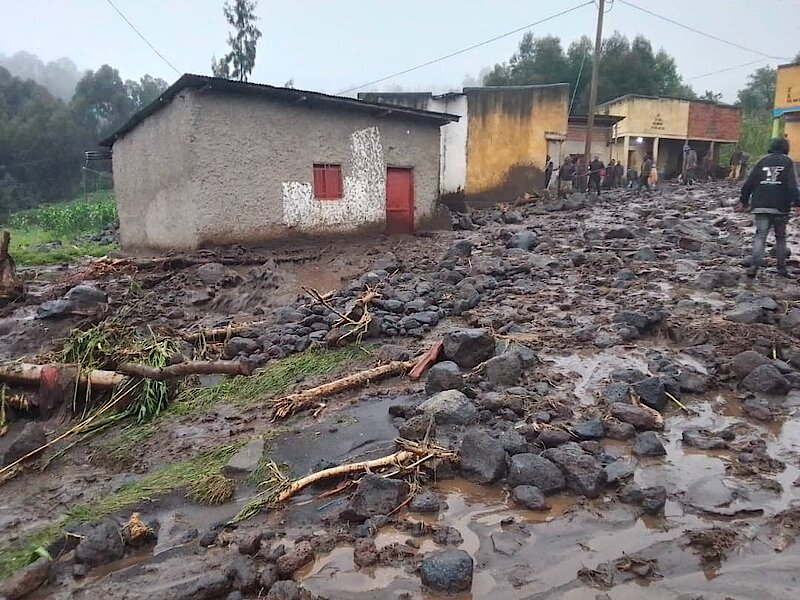
Disasters sometimes cause deaths, injuries, or disrupt people and other living organisms, and they can destroy or damage various properties.
Although disasters are calamities that affect communities, if you follow the guidelines below, you can prevent them or contribute to their prevention and reduce their impact:
Secure house roofs firmly to the walls using appropriate materials such as nails and bindings. Collect rainwater from rooftops by installing gutters, tanks, and other systems so that the water can be used instead of damaging houses and nearby infrastructure. Clean drainage channels and construct them where they do not exist, ensuring that all water flows through designated paths. Protect houses from water infiltration by sealing them properly, building strong foundations, and preventing water from entering walls.
Avoid dumping waste indiscriminately or in drainage channels, as it can be carried by water and block them. Stabilize slopes near houses to reduce steepness, clean rivers filled with sand, soil, and other debris, and maintain anti-erosion ditches on hillsides to control runoff water, planting grasses such as reeds to help prevent soil erosion. Relocate from high-risk zones, including unstable areas and old or unsafe houses that may collapse, especially during heavy rainfall.
Other important measures include relocating from wetlands and areas near rivers and lakes that are prone to flooding, taking agricultural insurance, and following lightning safety guidelines such as staying indoors instead of sheltering under trees, avoiding water during rainfall, not carrying or handling metal objects, and avoiding the use of bicycles or motorcycles during storms with lightning. Also, avoid using electrical appliances during thunderstorms.
Disasters are calamities that affect people in small or large parts of a country, causing deaths, injuries, or trauma, as well as damage to property and the environment; and the affected communities are often unable to cope using their own resources alone.